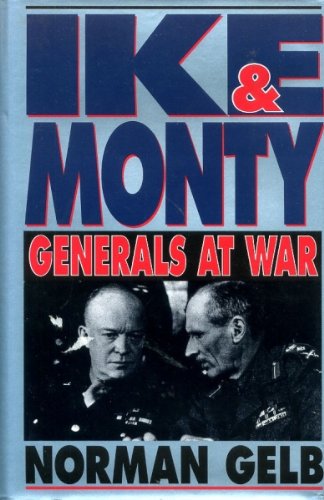
Ike and Monty: Generals at War by Norman Gelb

Ike and Monty: Generals at War

Norman Gelb
480 pages
William Morrow & Co
May 1994
Hardcover
History WSBN
1
Readers
0
Reviews
0
Discussions
0
Quotes
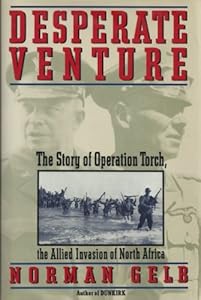
From Publishers Weekly Gelb ( Desperate Venture ) offers a comprehensive analysis of the troubled wartime collaboration between two military leaders whose professional differences were compounded by deep contrasts in character and behavior. Gelb depicts Dwight D. Eisenhower as likable and honorable, conspicuously successful as managing director of the Allied war effort but less effective as a general. He too often allowed himself to be distracted by the non-military aspects of his job, Gelb argues; his campaigns would have benefited from closer control and a firmer hand. Bernard Law Montgomery emerges as a difficult man whose aspirations, particularly after the Normandy campaign, were not matched by his achievements. Gelb admires his narrow-front strategic plan for ending WW II quickly, but he also demonstrates that the Field Marshal's poisonous personality made it impossible for him to win Eisenhower's support for his concept. Specialists will discover nothing new here, though others will find a useful study of the human aspects of high military command. Photos not seen by PW . Copyright 1994 Reed Business Information, Inc. From Kirkus Reviews This is a double portrait of the two very different personalities whose cooperation at the apex of the Allied military command in WW II had profound implications for the war effort. In many ways, Eisenhower and Montgomery exemplified their different nations. Ike, the son of an impoverished Midwestern farmer, was easygoing, charismatic, and modest. Montgomery came from the British ruling class, if not from its upper echelons. Although both graduated from elite military academies, only Monty had the arrogance of man born into privilege. His eccentricity, his extraordinary habit of treating his superiors as if they were inferiors, his obsession with military perfection made him a difficult ally for the Americans. ``Damn it'' Ike exclaimed, ``Montgomery's the only man in either army I can't get along with.'' During the D-day invasion, Monty tendered a plan for the invasion of Germany totally at odds with that of the American high command. Bradley, Patton, and other US generals were outraged, suspecting Montgomery of being a crackpot, but Eisenhower granted him a division. The suspicion and tension never relaxed. From Eisenhower's point of view, British public opinion had to be placated by giving Montgomery prominence; the problem was that the latter treated Eisenhower himself as a military ignoramus. Gelb's account of Montgomery's first great victory over Rommel at El Alamein is gripping stuff, and his explanations of the behind-the- scenes antagonisms and maneuverings are eye-opening. Montgomery's obnoxious character, above all, comes over loud and clear. He once asked an English lord if he could stay at his country house while training nearby. The lord agreed, delighted. But Montgomery then said he would not dine with anyone and would need a whole wing. Outraged, the lord withdrew his offer, whereupon Montgomery had him thrown out of the house and stayed there himself for the rest of the war. Generals at War abounds with such telling anecdotes and also is given backbone by Gelb's (Desperate Venture, 1992) clear understanding of warfare and the politics of WW II. (26 b&w photos) --
Join the conversation

No discussions yet. Join BookLovers to start a discussion about this book!

No reviews yet. Join BookLovers to write the first review!

No quotes shared yet. Join BookLovers to share your favorite quotes!

Earn Points
Your voice matters. Every comment, review, and quote earns you reward points redeemable for Bitcoin.
Comment +5 pts Review +20 pts Quote +7 pts Upvote +1 pt
BookMatch Quiz
Find books similar to this one
About this book
Pages 480
Publisher William Morrow & Co
Published 1994
Readers 1