Pablo Neruda
Pablo Neruda, born Ricardo Eliécer Neftalí Reyes Basoalto, was a renowned Chilean poet-diplomat and politician who won the Nobel Prize in Literature in 1971 for his works that vividly captured Latin America's destiny and dreams.[1][2][5] Beginning his literary career at age 13, he gained fame with collections like Twenty Love Poems and a Song of Despair, and later produced surrealist, political, and epic poetry influenced by events such as the Spanish Civil War.[3][4][5] He served in various diplomatic posts worldwide and was an active communist, though controversy surrounds his death shortly after Pinochet's coup.[1][5]
Poetry
Love poems
Surrealism
Political poetry
Epic poetry
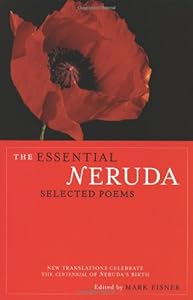
The Essential Neruda: Selected Poems

Then Come Back: The Lost Neruda
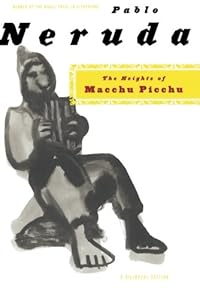
The Heights of Macchu Picchu: A Bilingual Edition
Extravagaria (Texas Pan American Series) (English and Spanish Edition)
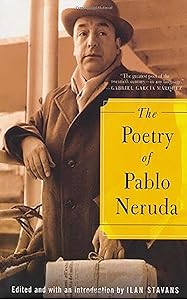
The Poetry of Pablo Neruda
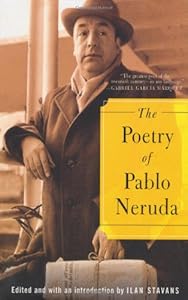
The Poetry of Pablo Neruda
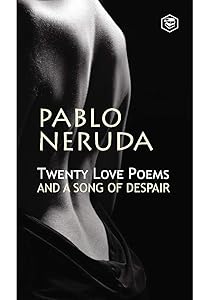
Twenty Love Poems And A Song Of Despair
Love Poems (New Directions Paperbook)
Love Poems
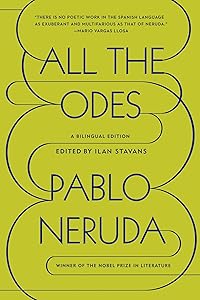
All the Odes: A Bilingual Edition
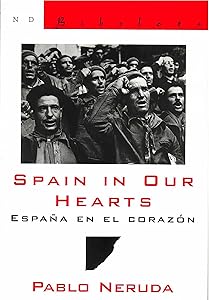
Spain in Our Hearts: Espana en el corazon (New Directions Bibelot)
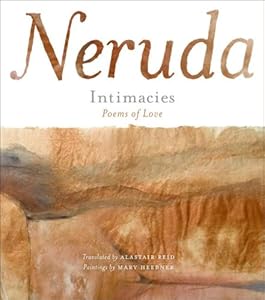
Intimacies: Poems of Love
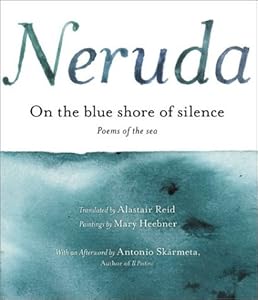
On the Blue Shore of Silence: Poems of the Sea
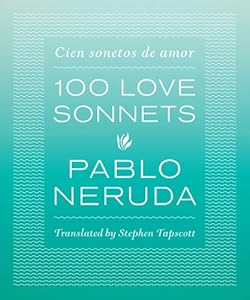
One Hundred Love Sonnets: Cien sonetos de amor
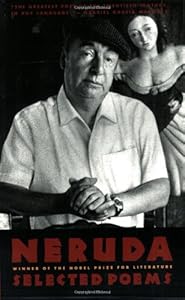
Neruda: Selected Poems
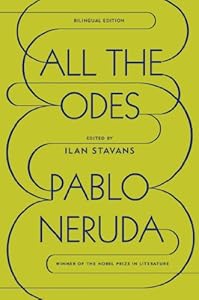
All the Odes: A Bilingual Edition
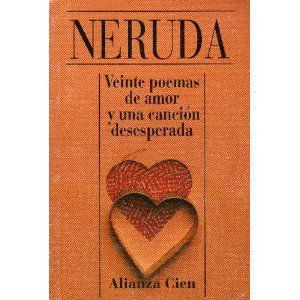
Veinte Poemas de Amor y Una Cancion
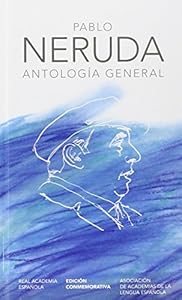
Antología General. Pablo Neruda
World's End (Bilingual Edition) (English and Spanish Edition)
Canto General, 50th Anniversary Edition (Latin American Literature and Culture)
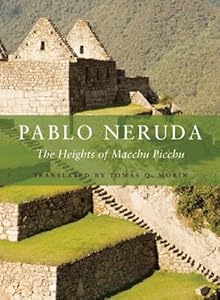
The Heights of Macchu Picchu
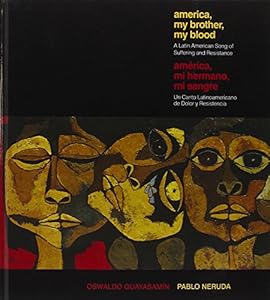
America My Brother, My Blood / America, Mi Hermano, Mi Sangre: A Latin American Song of Suffering and Resistance
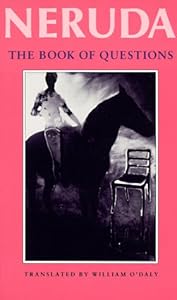
The Book of Questions (Bilingual Edition) (Spanish Edition)

The Eye of the Heart: Short Stories from Latin America