OECD Organisation for Economic Co-operation and Develop
The OECD (Organisation for Economic Co-operation and Development) is not an author but an intergovernmental organization founded in 1961 to promote economic progress, world trade, and sustainable development among its 38 member countries. It was established in Paris, France, succeeding the Organisation for European Economic Co-operation (OEEC), which administered Marshall Plan aid after World War II. The organization operates as a forum for policy coordination, research, and the development of international standards on economic, social, and environmental issues.
Knowledge management Innovation in the Knowledge Economy: Implications for Education and Learning
ITF Round Tables The Cost and Effectiveness of Policies to Reduce Vehicle Emissions
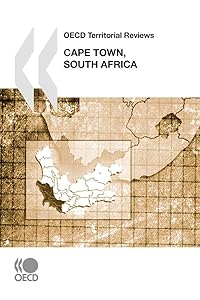
OECD Territorial Reviews OECD Territorial Reviews: Cape Town, South Africa 2008: Edition 2008
Education Today: The OECD Perspective: Edition 2009
Enhancing the Role of SMEs in Global Value Chains
OECD Economic Surveys: Germany 2006
DAC Guidelines and Reference Series Natural Resources and Pro-Poor Growth: The Economics and Politics
Promoting Consumer Education: Trends, Policies and Good Practices: Edition 2009
OECD Economic Surveys: Canada 2006
Sickness, Disability and Work: Breaking the Barriers (Vol. 1): Norway, Poland and Switzerland
Genetic Testing: A Survey of Quality Assurance and Proficiency Standards
Compilation Manual for an Index of Services Production