Nathaniel Philbrick
Nathaniel Philbrick is an American author of history, best known for his National Book Award-winning book In the Heart of the Sea: The Tragedy of the Whaleship Essex, which inspired Herman Melville's Moby-Dick and was adapted into a 2015 film. Born in Boston, Massachusetts, he grew up in Pittsburgh, Pennsylvania, earned degrees from Brown and Duke Universities, and moved to Nantucket in 1986, where he founded the Egan Maritime Institute and became a research fellow at the Nantucket Historical Association.[1][2][3]
History
Maritime History
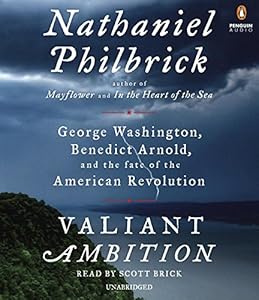
Valiant Ambition: George Washington, Benedict Arnold, and the Fate of the American Revolution
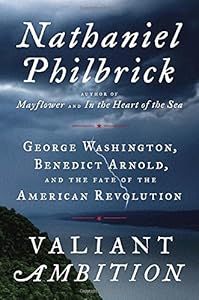
Valiant Ambition: George Washington, Benedict Arnold, and the Fate of the American Revolution
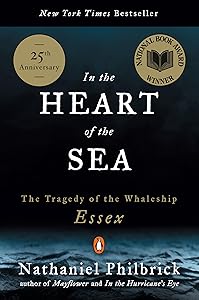
In the Heart of the Sea: The Tragedy of the Whaleship Essex (National Book Award Winner)
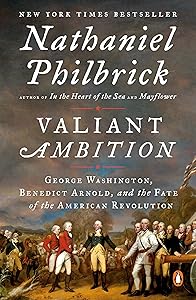
Valiant Ambition: George Washington, Benedict Arnold, and the Fate of the American Revolution (The American Revolution Series) Book Cover May Vary
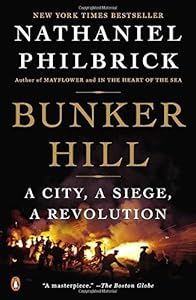
Bunker Hill: A City, a Siege, a Revolution
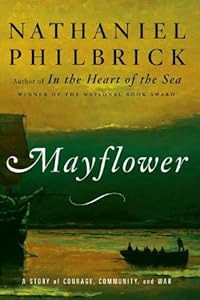
Mayflower: A Story of Courage, Community, and War
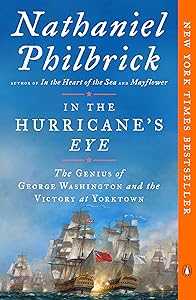
In the Hurricane's Eye: The Genius of George Washington and the Victory at Yorktown (The American Revolution Series)
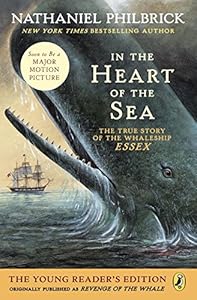
In the Heart of the Sea
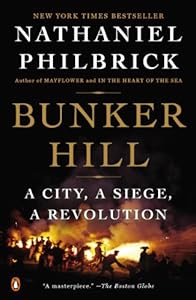
Bunker Hill: A City, A Siege, A Revolution
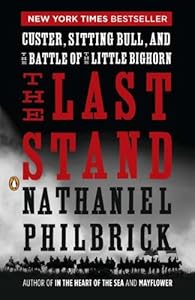
The Last Stand: Custer, Sitting Bull, and the Battle of the Little Bighorn
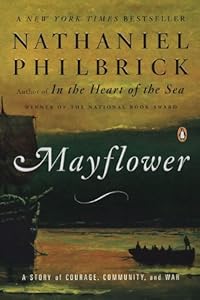
Mayflower: A Story of Courage, Community, and War
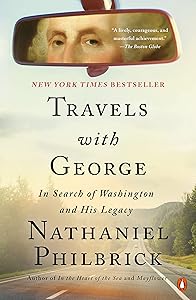
Travels with George: In Search of Washington and His Legacy
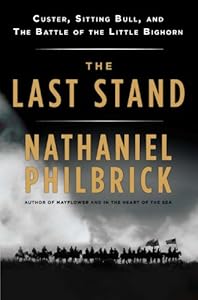
The Last Stand: Custer, Sitting Bull, and the Battle of the Little Bighorn
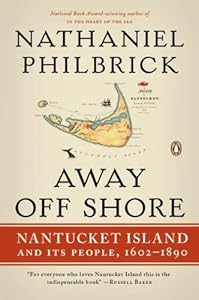
Away Off Shore: Nantucket Island and Its People, 1602-1890
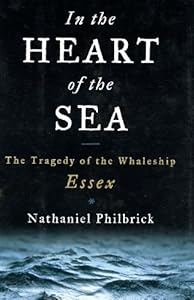
In the Heart of the Sea: The Tragedy of the Whaleship Essex
The Last Stand: Custer, Sitting Bull, and the Battle of the Little Bighorn
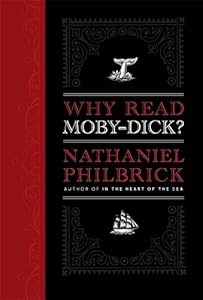
Why Read Moby-Dick?
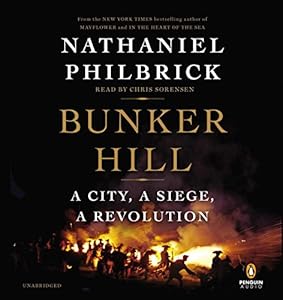
Bunker Hill: A City, a Siege, a Revolution

The Last Stand: Custer, Sitting Bull, and the Battle of the Little Bighorn
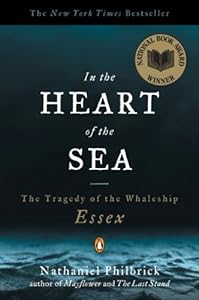
In the heart of the sea : the tragedy of the whaleship Essex
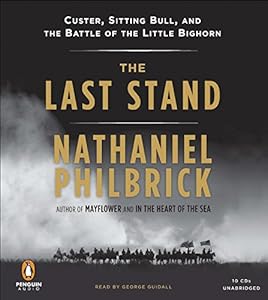
The Last Stand: Custer, Sitting Bull, and the Battle of the Little Bighorn
In the Heart of the Sea
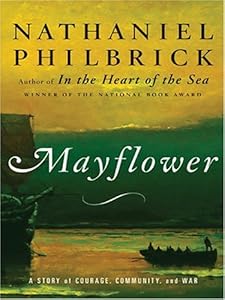
Mayflower: A Story of Courage, Community, and War
Why Read Moby-Dick?