Euripides
Euripides (c. 480–406 BCE) was one of the three great ancient Greek tragedians, alongside Aeschylus and Sophocles, renowned for his psychological realism, morally complex characters, and innovative approach to myth in plays like Medea, The Bacchae, and Hippolytus. Born in Athens during its Golden Age, he wrote around 90 tragedies, of which 19 survive, often exploring human flaws, powerful women, and skepticism toward traditional gods amid the Peloponnesian War. Late in life, he moved to the court of King Archelaus in Macedonia, where he died in 406 BCE.
Athens, Greece
Wikipedia
Tragedy

Grief Lessons: Four Plays by Euripides (New York Review Books Classics)

Medea and Other Plays
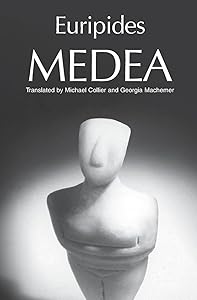
Medea (Greek Tragedy in New Translations)
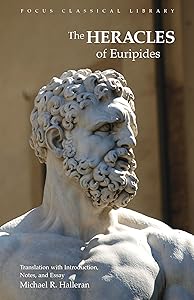
The Heracles of Euripides (Focus Classical Library)

Medea (Hackett Classics)

Alcestis

Euripides, Volume IV. Trojan Women. Iphigenia among the Taurians. Ion (Loeb Classical Library No. 10)

Ten Plays (Signet Classics)

Three Greek Plays: Prometheus Bound / Agamemnon / The Trojan Women

Euripides' Alcestis (Volume 29) (Oklahoma Series in Classical Culture)
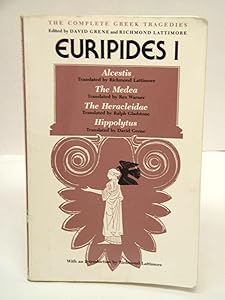
Euripides I: Alcestis, The Medea, The Heracleidae, Hippolytus (The Complete Greek Tragedies)

The Iphigenia Plays: New Verse Translations (Northwestern World Classics)

Hecuba (Plays by Euripides)

Euripides: 'Helen' (Cambridge Greek and Latin Classics)

Herakles (Greek Tragedy in New Translations)

Medea (Oberon Classics)

The Trojan Women and Other Plays (Oxford World's Classics)

Euripides: Ion (Greek Texts)

Bacchae and Other Plays: Iphigenia among the Taurians; Bacchae; Iphigenia at Aulis; Rhesus (Oxford World's Classics)

The Orestes Plays (Hackett Classics)

Euripides: Helen (Classic Commentaries)

The Bacchae (Plays for Performance Series)

Medea

Bakkhai (Oberon Classics)