Adam Smith
Adam Smith (1723–1790) was a Scottish economist and philosopher, a key figure in the Scottish Enlightenment, best known as the 'father of modern economics' for his seminal works *The Theory of Moral Sentiments* (1759) and *An Inquiry into the Nature and Causes of the Wealth of Nations* (1776). In *The Wealth of Nations*, he introduced concepts like the division of labor, free markets, and the 'invisible hand,' challenging mercantilism and laying the foundations of classical liberalism and political economy. He studied at Glasgow and Oxford, lectured in Edinburgh, taught at the University of Glasgow, and later served as a customs commissioner before retiring to Kirkcaldy.
Economics
Philosophy
Political Economy
Wealth of Nations
An Inquiry into the Nature and Causes of the Wealth of Nations (Crofts Classics)
The Wealth of Nations
An Inquiry into the Nature and Causes of the Wealth of Nations (Crofts Classics)
The Theory of Moral Sentiments
The Theory of Moral Sentiments

Bootleggers & Baptists: How Economic Forces and Moral Persuasion Interact to Shape Regulatory Politics
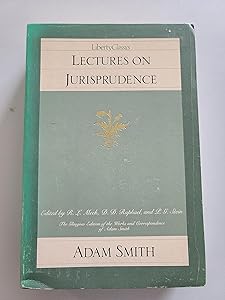
Lectures on Jurisprudence (Glasgow Edition of the Works and Correspondence of Adam Smith, Vol. 5)

The Theory of Moral Sentiments
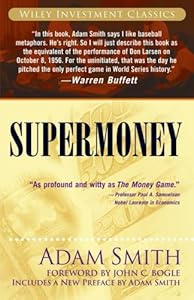
Supermoney (Wiley Investment Classics)
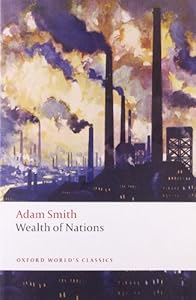
An Inquiry into the Nature and Causes of the Wealth of Nations: A Selected Edition

The Theory of Moral Sentiments (Penguin Classics)

Thunder's Keeper
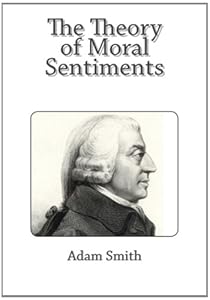
The Theory of Moral Sentiments
An Inquiry Into the Nature and Causes of the Wealth of Nations Volume 3
An Inquiry into the Nature and Causes of the Wealth of Nations (Crofts Classics)
The Wealth of Nations
The Wealth of Nations