Publishers Weekly? 01/27/2014
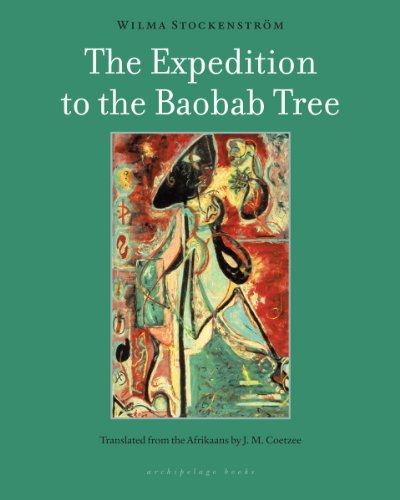
First published in the U.S. in 1983, before translator Coetzee became a Nobel laureate and South African author Stockenström won prizes for fiction and poetry, this mini-masterpiece is less a novel than an intimate monologue illuminating the nature of slavery, oppression, womanhood, identity, Africa, and nature itself. The narrative begins in a hollow of the titular baobab tree, where an unnamed female slave has taken refuge. Between forays to a nearby stream, she recalls her past, stringing together memories like the beads left by natives, who think that she's a tree spirit. She remembers being captured by slave traders who sell her to a wealthy man with a taste for innocent girls. After giving birth, she is separated from her baby and sold to a spice merchant.