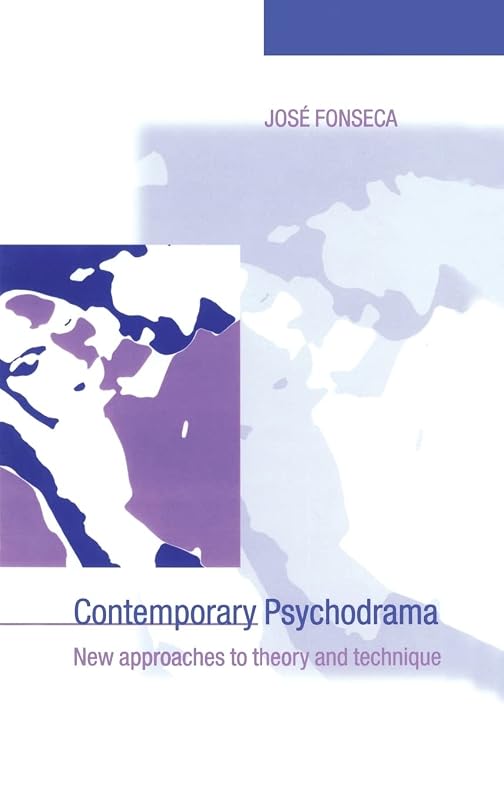
Contemporary Psychodrama: New Approaches to Theory and Technique by José Fonseca

Contemporary Psychodrama: New Approaches to Theory and Technique

José Fonseca
204 pages
Routledge
Jan 2004
1st Edition
Psychology & Philosophy WSBN
0
Readers
0
Reviews
0
Discussions
0
Quotes
Contemporary Psychodrama weaves together psychodrama and psychoanalysis with illustrative clinical examples, whilst preserving the essence of psychodramatic philosophy and methodology. Previously unavailable in the English language, this book presents José Fonseca's diverse new approaches to psychodrama together with a blending of theories. . The book is divided into clear sections, covering: . * new approaches to psychodrama theory * new approaches to psychodrama technique* psychodrama and sexuality * the past and future of psychodrama. . Fonseca's innovative ideas include the adaptation of techniques originally intended for groups to individual psychodramatic psychotherapy. He distinguishes between not only the normal and the mentally ill but the normal and the optimal, and presents a detailed developmental psychology, inspired by Moreno and Buber, but clearly influenced by object relations theory.. Contemporary Psychodrama presents the original concepts of a leading light of the Brazilian psychodrama movement that will be of great benefit to all professionals working with psychodrama.. José Fonseca, M.D., Ph.D., was one of the pioneers of the psychodramatic movement in Brazil and a founder of the Brazilian federation of psychodrama. He has published two books in Brazil, Psychodrama of Madness and Relationship Psychotherapy.
Join the conversation

No discussions yet. Join BookLovers to start a discussion about this book!

No reviews yet. Join BookLovers to write the first review!

No quotes shared yet. Join BookLovers to share your favorite quotes!

Earn Points
Your voice matters. Every comment, review, and quote earns you reward points redeemable for Bitcoin.
Comment +5 pts Review +20 pts Quote +7 pts Upvote +1 pt
BookMatch Quiz
Find books similar to this one
About this book
Pages 204
Publisher Routledge
Published 2004
Readers 0