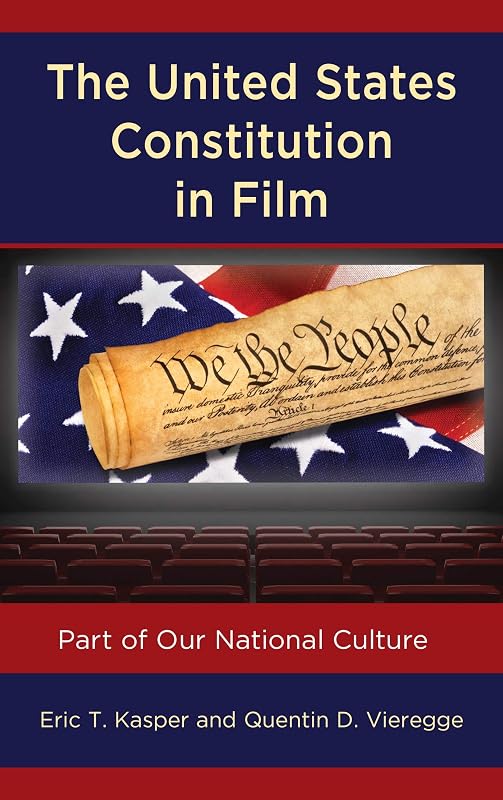
The United States Constitution in Film: Part of Our National Culture (Politics, Literature, & Film) by Eric T. Kasper

The United States Constitution in Film: Part of Our National Culture (Politics, Literature, & Film)

Eric T. Kasper
316 pages
Lexington Books
Oct 2018
Hardcover
All Non-Fiction WSBN
0
Readers
0
Reviews
0
Discussions
0
Quotes

Free account. We’ll keep this book ready while you join.

Find a copy

Formats and availability vary by store. As an Amazon Associate I earn from qualifying purchases.

The U.S. Constitution is often depicted in popular films, teaching lessons about what this founding document means and what it requires. Mr. Smith Goes to Washington educates how a bill becomes a law. 12 Angry Men informs us about the rights of the accused. Selma explores the importance of civil rights, voting rights, and the freedom of speech. Lincoln shows us how to amend the Constitution. Not only have films like these been used to teach viewers about the Constitution; they also express the political beliefs of directors, producers, and actors, and they have been a reflection of what the public thinks generally, true or not, about the meaning of the Constitution. From the indictment of Warren Court rulings in Dirty Harry to the defense of the freedom of the press in All the President's Men and The Post, filmmakers are often putting their stamp on what they believe the Constitution should mean and protect. These films can serve as a catalyst for nationwide conversations about the Constitution and as a way of either reinforcing or undermining the constitutional orthodoxies of their time. Put another way, these films are both symbols and products of the political tug of war over the interpretation of our nation's blueprint for government and politics.To the contemporary student and the casual reader, popular films serve as an understandable way to explain the Constitution. This book examines several different areas of the Constitution to illuminate how films in each area have tried to engage the document and teach the viewer something about it. We expose myths where they exist in film, draw conclusions about how Hollywood's constitutional lessons have changed over time, and ultimately compare these films to what the Constitution says and how the U.S. Supreme Court has interpreted it. Given the ever-present discussion of the Constitution in American politics and its importance to the structure of the U.S. government and citizens' rights, there is no question that the popular perceptions of the document and how people acquire these perceptions are important and timely.
Join the conversation

No discussions yet. Join BookLovers to start a discussion about this book!

No reviews yet. Join BookLovers to write the first review!

No quotes shared yet. Join BookLovers to share your favorite quotes!

Earn Points
Your voice matters. Every comment, review, and quote earns you reward points redeemable for Bitcoin.
Comment +5 pts Review +20 pts Quote +7 pts Upvote +1 pt
Similar Books
Find books similar to this one
About this book
Pages 316
Publisher Lexington Books
Published 2018
Readers 0