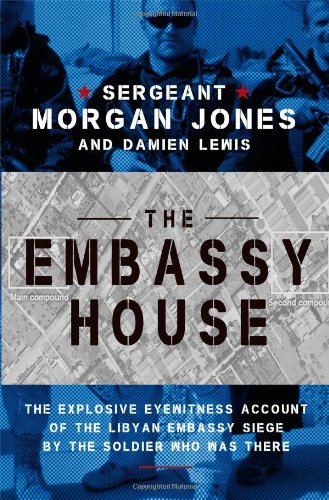
September 11, 2012: Hundreds of fanatics from Al Qaeda’s Shariah Brigade descend on the American Embassy compound in Benghazi, Libya, in a meticulously timed, flawlessly staged nighttime assault that resulted in the brutal murder of the U.S. Ambassador to Libya, J. Christopher Stevens. In its sheer audacity alone, the attack was a shattering pronouncement that America’s enemies will take every opportunity to spill innocent blood for their cause. But why was the Embassy such a vulnerable target? Who was responsible for safeguarding the ambassador and why couldn’t they come to his aid? How could the terrorists’ plan be allowed to succeed in an era when our foreign agencies should be more protected than ever before? While fundamental questions like these have gone unanswered by the Obama administration, the outrage of so many Americans at Ambassador Stevens’s death has only deepened in the year since the Benghazi siege.