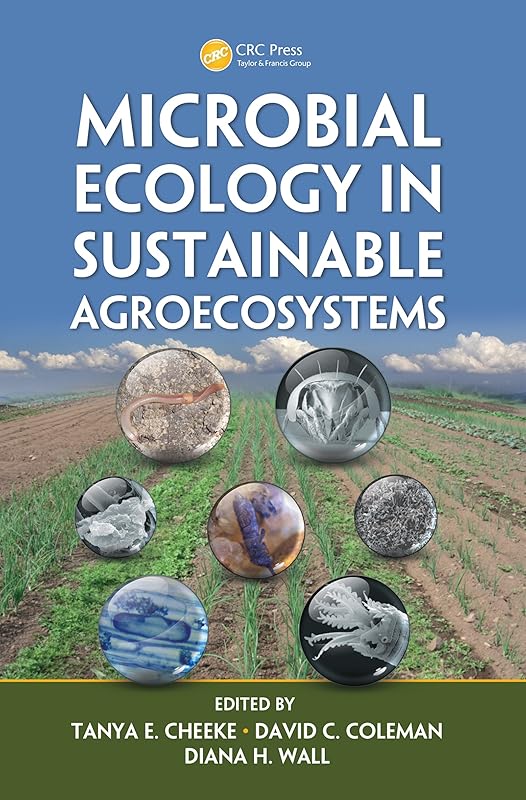
Microbial Ecology in Sustainable Agroecosystems (Advances in Agroecology Book 18) by Tanya E. Cheeke

Microbial Ecology in Sustainable Agroecosystems (Advances in Agroecology Book 18)

Tanya E. Cheeke
308 pages
CRC Press
Jul 2012
Hardcover
Science WSBN
0
Readers
0
Reviews
0
Discussions
0
Quotes
While soil ecologists continue to be on the forefront of research on biodiversity and ecosystem function, there are few interdisciplinary studies that incorporate ecological knowledge into sustainable land management practices. Conventional, high fossil-fuel input-based agricultural systems can reduce soil biodiversity, alter soil community structure and nutrient cycling, and lead to greater dependence on energy-intensive practices.Microbial Ecology in Sustainable Agroecosystems brings together soil ecologists, microbial ecologists, and agroecologists working globally to demonstrate how research in soil ecology can contribute to the long-term sustainability of agricultural systems. The book identifies five key areas of research that can be combined to support and direct sustainable land management practices: agriculture, biodiversity, ecosystem services, integrated soil ecology research, and policy.Topics include:A broad range of soil microbial processes in terms of the importance of microbial heterogeneity Inputs by soil microorganisms into wheat-farming systemsThe importance of arbuscular mycorrhizal fungi in making nutrients more available to cropsThe benefits and environmental problems associated with the use of crops genetically modified with Bacillus thuringiensisThe incorporation of soil ecological or microbial ecological theory into agricultural practice to improve agricultural productivity and sustainabilityChallenges in sustainable agricultural research and the need for coalescing new avenues of research in agriculture and soil ecology The contributors range from long-time ecological researchers to graduate students and early career scientists, representing a wide spectrum of experience, ages, diversity, and research interests in this area. They cover the diversity and complexity of microbial activity and interactions in soil systems and the many ways in which microorganisms may be manipulated and managed to improve the functions of crop rhizospheres and thereby maximize crop yields and overall productivity. These recommendations can be used to direct and influence agricultural and environmental policy and guide future research in sustainable agricultural systems management.
Join the conversation

No discussions yet. Join BookLovers to start a discussion about this book!

No reviews yet. Join BookLovers to write the first review!

No quotes shared yet. Join BookLovers to share your favorite quotes!

Earn Points
Your voice matters. Every comment, review, and quote earns you reward points redeemable for Bitcoin.
Comment +5 pts Review +20 pts Quote +7 pts Upvote +1 pt
BookMatch Quiz
Find books similar to this one
About this book
Pages 308
Publisher CRC Press
Published 2012
Readers 0