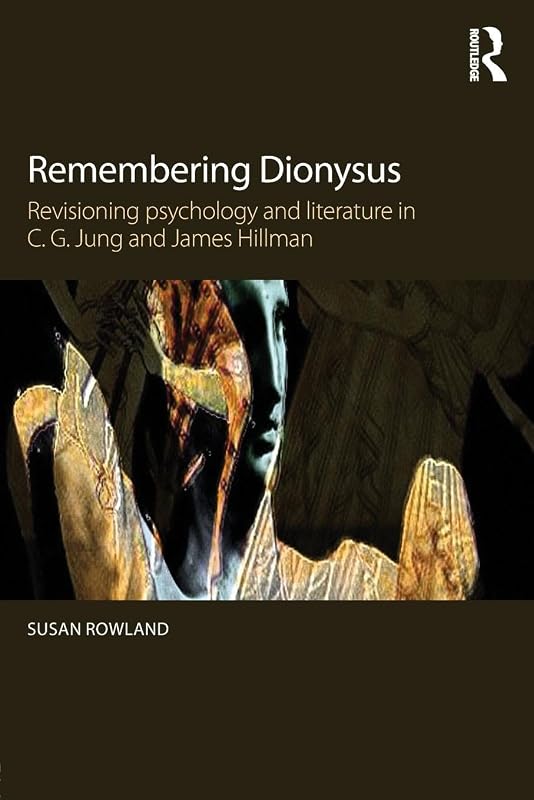

Remembering Dionysus by Susan Rowland

Remembering Dionysus

Susan Rowland
202 pages
Routledge
Aug 2016
Paperback
Psychology & Philosophy WSBN
0
Readers
0
Reviews
0
Discussions
0
Quotes
Dionysus, god of dismemberment and sponsor of the lost or abandoned feminine, originates both Jungian psychology and literature in Remembering Dionysus. Characterized by spontaneity, fluid boundaries, sexuality, embodiment, wild nature, ecstasy and chaos, Dionysus is invoked in the writing of C. G. Jung and James Hillman as the dual necessity to adopt and dismiss literature for their archetypal vision of the psyche or soul. Susan Rowlanddescribes an emerging paradigm for the twenty-first century enacting the myth of a god torn apart to be re-membered, and remembered as reborn in a great renewal of life.Rowland demonstrates how persons, forms of knowing and even eras that dismiss Dionysus are torn apart, and explores how Jung was Dionysian in providing his most dismembered text, The Red Book. Remembering Dionysus pursues the rough god into the Sublime in the destruction of meaning in Jung and Jacques Lacan, to a re-membering of sublime feminine creativity that offers zoe, or rebirth participating in an archetype of instinctual life. This god demands to be honoured inside our knowing and being, just as he (re) joins us to wild nature.This revealing book will be invigorating reading for Jungian analysts, psychotherapists, arts therapists and counsellors, as well as academics and students of analytical psychology, depth psychology, Jungian and post-Jungian studies, literary studies and ecological humanities.
Join the conversation

No discussions yet. Join BookLovers to start a discussion about this book!

No reviews yet. Join BookLovers to write the first review!

No quotes shared yet. Join BookLovers to share your favorite quotes!

Earn Points
Your voice matters. Every comment, review, and quote earns you reward points redeemable for Bitcoin.
Comment +5 pts Review +20 pts Quote +7 pts Upvote +1 pt
BookMatch Quiz
Find books similar to this one
About this book
Pages 202
Publisher Routledge
Published 2016
Readers 0