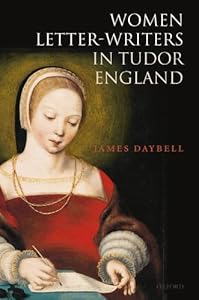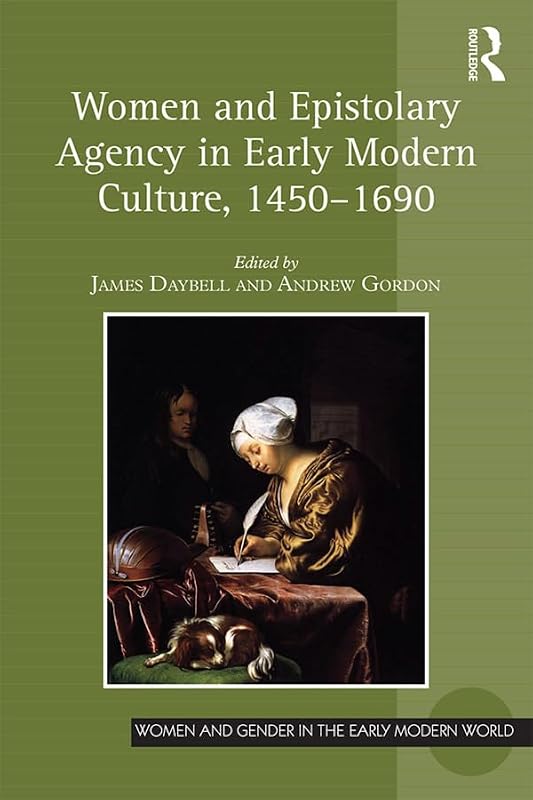
Women and Epistolary Agency in Early Modern Culture, 1450�1690 (Women and Gender in the Early Modern World) by James Daybell

Women and Epistolary Agency in Early Modern Culture, 1450�1690 (Women and Gender in the Early Modern World)

James Daybell
274 pages
Routledge
Jun 2016
Hardcover
All Fiction WSBN
0
Readers
0
Reviews
0
Discussions
0
Quotes

Free account. We’ll keep this book ready while you join.

Find a copy

Formats and availability vary by store. As an Amazon Associate I earn from qualifying purchases.

Women and Epistolary Agency in Early Modern Culture, 1450-1690 is the first collection to examine the gendered nature of women's letter-writing in England and Ireland from the late-fifteenth century through to the Restoration. The essays collected here represent an important body of new work by a group of international scholars who together look to reorient the study of women's letters in the contexts of early modern culture. The volume builds upon recent approaches to the letter, both rhetorical and material, that have the power to transform the ways in which we understand, study and situate early modern women's letter-writing, challenging misconceptions of women's letters as intrinsically private, domestic and apolitical. The essays in the volume embrace a range of interdisciplinary approaches: historical, literary, palaeographic, linguistic, material and gender-based. Contributors deal with a variety of issues related to early modern women's correspondence in England and Ireland. These include women's rhetorical and persuasive skills and the importance of gendered epistolary strategies; gender and the materiality of the letter as a physical form; female agency, education, knowledge and power; epistolary networks and communication technologies. In this volume, the study of women's letters is not confined to writings by women; contributors here examine not only the collaborative nature of some letter-writing but also explore how men addressed women in their correspondence as well as some rich examples of how women were constructed in and through the letters of men. As a whole, the book stands as a valuable reassessment of the complex gendered nature of early modern women's correspondence.
Join the conversation

No discussions yet. Join BookLovers to start a discussion about this book!

No reviews yet. Join BookLovers to write the first review!

No quotes shared yet. Join BookLovers to share your favorite quotes!

Earn Points
Your voice matters. Every comment, review, and quote earns you reward points redeemable for Bitcoin.
Comment +5 pts Review +20 pts Quote +7 pts Upvote +1 pt
Similar Books
Find books similar to this one
About this book
Pages 274
Publisher Routledge
Published 2016
Readers 0