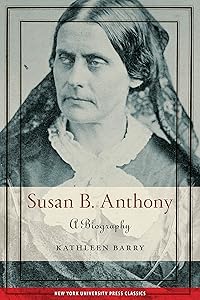
The young women who left their farm homes to work in factories and boarded with Susan Anthony's Quaker family in Massachusetts, unwittingly set an example of women's emancipation for future feminist leaders, notes this comprehensive biography by feminist sociologist Barry, author of Female Sexual Slavery. Her political consciousness aroused early, Anthony's oratory was honed in the causes of temperance and anti-slavery, which she shared with other women's-rights champions such as Elizabeth Cady Stanton and Lucy Stone. Striving to rescue women from a state she considered marital feudalism, Anthony (1820-1906) organized conventions, petitioned and canvassed for support, ceaselessly campaigning for women's property and other legal rights, and most especially for suffrage.