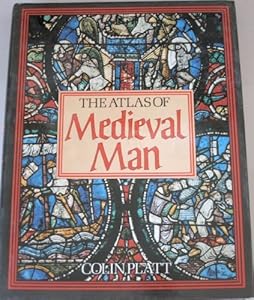
The black death came to England in 1347 and for three centuries bubonic plague remained a continual and threatening presence in the everyday life (and death) of the country. The Black Death and subsequent population losses are central, therefore, to any understanding of the period.From rural labourer to nobleman, from village priest to abbot, contemptuous of rank and wealth, Death was the guest of every late-medieval household in 'pestilence time.' In this masterly survey, Colin Platt examines what it was like to live with plague at all levels of society. Drawing on evidence from architecture and the arts, he examines the visible legacies of the investment that Christian men and women made in the provision of after-death soul-care. In addition he examines the social and economic consequences of a steep and unprecedented population decline.