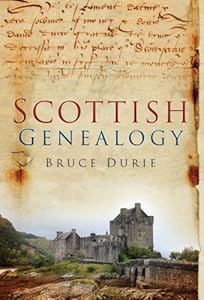
An essential guide to reading and understanding the old documents necessary for researching family or local historyGenealogists and local historians have probably seen every birth, marriage, death, and census record available, and are adept at using the internet for research. However, once they have learned everything they can from them, the next step is reading and understanding older documents. These can be hard to find, as not many are online, and they are often written in challenging handwriting and use legal and other unfamiliar terms. Some will be in Latin, antiquated English, or Scots. Readers need to be able to understand the nature and intent of a range of documents as well as the palaeography (the handwriting) and orthography (the "shape" of the contents).