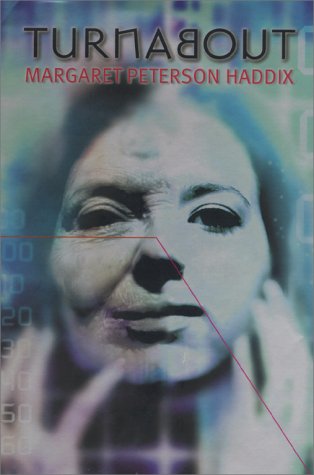
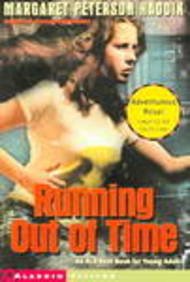
From Publishers Weekly In her thought-provoking science fiction adventure, Haddix (Just Ella) successfully shuttles readers between three different eras, convincingly covering the extensive life of Amelia (Melly) Hazelwood. At age 100, Melly and other Riverside nursing home residents were injected with the experimental drug PT-1 The drug was supposed to make them "unage" until they reached a self-determined ideal age, at which point they would get another shot to stop the process. The second shot, however, proved deadly, and the participants of Project Turnabout were doomed to unage until they reached zero. Now teenagers, Melly and her stubborn sidekick Anny Beth need to find parents who can care for them in their approaching infancy. But when a snooping reporter begins to track Melly, the pair must put their search on hold and flee. Haddix handles this complex plot with ease, beginning the various entries either just after 2000 or in 2085 (with flashbacks in between). Readers will likely enjoy Haddix's predictions for the future (Perfect Toothpaste replaces dentists and cars drive themselves). The reporter's transformation from hard-nosed to maternal seems a bit sudden, but Haddix keeps the pacing smooth and builds up to a surprising final face-off. Ages 12-up. (Oct.) Copyright 2000 Reed Business Information, Inc. From School Library Journal Grade 6-10-Eighty-five years ago, Melly and Anny Beth were old women participating in a highly secret research study that reversed the aging process. However, the directors of Project Turnabout couldn't halt the reversal, and the women have "unaged" back into teenagers. Soon they will become so young that they will no longer care for themselves. Even worse, a reporter's interest in Melly is threatening to destroy the privacy that the teens alone still value in the publicity-mad culture of the year 2085. The suspense is unflagging as the two flee from unwanted exposure and search for a way to live out the rest of their days. The futuristic setting, including the consensual media circus of daily life, is scarily believable. The girls are well drawn, distinct characters, their teenaged selves logical extensions of their adult personas with one important difference: Melly and Anny Beth have learned from the mistakes of their "first lives" and accomplished more the second time around. The novel ends with the suggestion that longer life might be a blessing, an unusual perspective in science fiction and fantasy for young people, where extreme longevity is often depicted as a burden. Recommend this one to fans of Michael Crichton and Robin Cook, or pair it with Natalie Babbitt's Tuck Everlasting (Farrar, 1975) for a thoughtful discussion about human life and human potential.