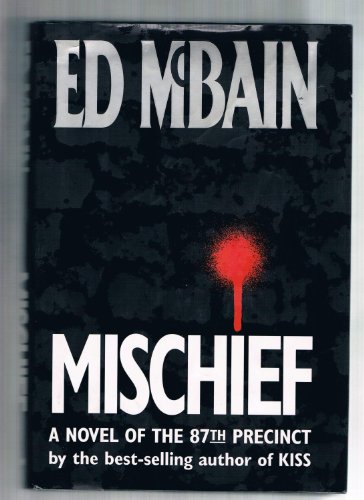
From Publishers Weekly Since his 1956 Cop Hater , McBain has regaled us with his 87th Precinct novels ( Kiss , 1992) and with this, the 55th in the series, he proves again that he is the Grand Master of procedurals. The plot's main threads follow the serial murders of graffiti-writers, a rash of "granny-dumping" (abandonment of old people, usually senile) and the return of the Deaf Man, a master criminal who taunts the 87th detectives with advance clues to his schemes. Vivid glimpses of life in Isola (read Manhattan) are matched by brilliantly drawn characters: young rappers, the abandoned oldsters, the relatives of the murder victims, the Deaf Man and his accomplices, and the old familiars of the 87th. McBain also delivers creditable rap and calypso lyrics, a cram course in plea-bargaining and a heartbreaking conversation between a detective and the wife of an Alzheimer's sufferer. Eventually the cops prevail, but not until the Deaf Man has orchestrated a huge, deadly diversion from his clever scam, after which the master criminal puts another one over on the 87th. Or does he? Doesn't he? McBain, really Evan Hunter, is a virtuoso of the genre. Author tour. Copyright 1993 Reed Business Information, Inc. From Kirkus Reviews McBain's 45th novel of the 87th Precinct--and you can see that practice has made this latest not perfect but perfectly easy to enjoy, with--per the formula--several parallel plots, fueled not by their modest inventiveness but by the author's confident prose: McBain knows these cops and their city of Isola like Satan knows sin, and it shows. Even the chief villain is familiar: the Deaf Man, resurrected from Eight Black Horses (1985), etc., and up to his old trick of laying tantalizing clues to a big crime--here, excerpts from a scholarly work on crowd behavior mailed to arch-nemesis cop Steve Carella as the Deaf Man plans unspecified mayhem connected to an upcoming free outdoor rap concert. (In addition to tracing the Deaf Man's elaborate planning--including tinkering with the concert's sound system and stealing a garbage truck--McBain follows one rap group's prep for the concert, which flowers into a touching romance between a singer and a composer's widow.) Also on the precinct's plate is a series of murders of graffiti artists--with one of the victims being not the expected inner-city rebel but the respected attorney in whose closet the cops find a stash of spray-paint cans. And then there's the rash of ``dumpings'' around Isola of Alzheimer's sufferers, with all identifying tags ripped from their clothing. Several subplots--a hostage crisis; a clash of pro-lifers and pro-choicers that sees Carella's deaf-mute wife drenched in blood--add further gritty big-city texture, and McBain closes out the three major cases in clever, though not inspired, fashion: most gripping is the aftermath of the Deaf Man's big caper, a noir-style fadeout in a hot-sheets motel. Not up to the series' best but still steadily engrossing cop- fare from an old hand. --