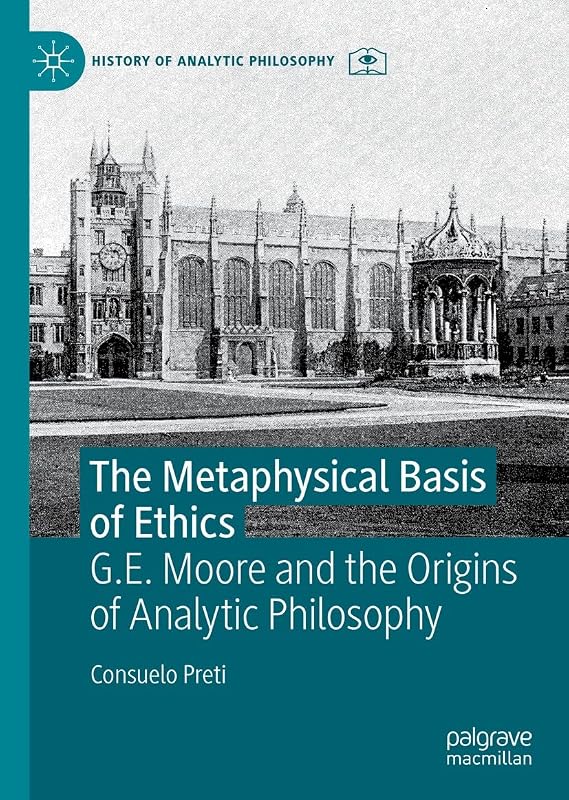
The Metaphysical Basis of Ethics: G.E. Moore and the Origins of Analytic Philosophy (History of Analytic Philosophy) by Consuelo Preti

The Metaphysical Basis of Ethics: G.E. Moore and the Origins of Analytic Philosophy (History of Analytic Philosophy)

Consuelo Preti
385 pages
Palgrave Macmillan
Dec 2021
1st ed. 2022 Edition
Politics WSBN
0
Readers
0
Reviews
0
Discussions
0
Quotes
This book remedies the absence in the history of analytic philosophy of a detailed examination of G. E. Moore's philosophical views as they developed between 1894 and 1902. This period saw the inauguration of analytic philosophy through the work of Moore and Bertrand Russell. Moore's early views are examined in detail through unpublished archival material, including surviving letters, diaries, notes of lectures attended, papers for Cambridge societies, and drafts of early work, in order to revise the established view that the origin of analytic philosophy at Cambridge was an abrupt split from F. H. Bradley's Absolute Idealism. Traditional accounts of this period have highlighted the anti-psychologism of Frege's logic but have not explored the impact of this movement more broadly. Anti-psychologism was a key feature of the work of Moore's teachers on the nature of the mind and its objects, in their interpretation of Kant, and in ethics. Moore's teachers G.F. Stout and James Ward weresignificant contributors to the late 19th century debates in mental science and the developing new science of psychology. Henry Sidgwick's criticisms of Kant and Bradley and his leading work in ethics were key influences on Moore. Moore's Trinity Fellowship Dissertations are essential historical evidence of the development of Moore's new theory of judgment, a theory whose defining role in the origins of analytic philosophy cannot be overstated. Moore's study of Kant in his dissertations ultimately formed the groundwork for his Principia Ethica (1903) , whichevolved from ideas that manifested in Moore's earliest Apostles' papers, developed through his dissertations, and were refined through his Elements of Ethics lectures (1898-99) . This monumental work of early twentieth century ethics is thus shown to be the culmination of Moore's early philosophical development.
Join the conversation

No discussions yet. Join BookLovers to start a discussion about this book!

No reviews yet. Join BookLovers to write the first review!

No quotes shared yet. Join BookLovers to share your favorite quotes!

Earn Points
Your voice matters. Every comment, review, and quote earns you reward points redeemable for Bitcoin.
Comment +5 pts Review +20 pts Quote +7 pts Upvote +1 pt
BookMatch Quiz
Find books similar to this one
About this book
Pages 385
Publisher Palgrave Macmillan
Published 2021
Readers 0