


The Deaths of the Republic: Imagery of the Body Politic in Ciceronian Rome by Brian Walters

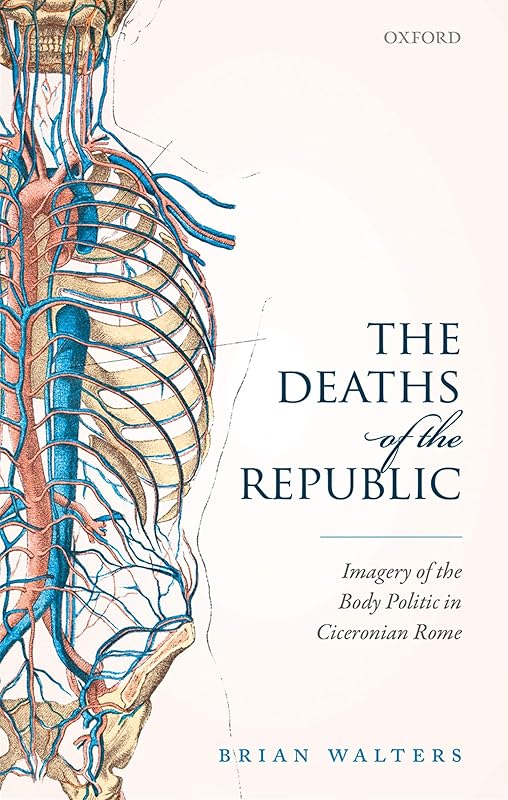
The Deaths of the Republic: Imagery of the Body Politic in Ciceronian Rome

Brian Walters
176 pages
OUP Oxford
Feb 2020
Hardcover
Default WSBN
0
Readers
0
Reviews
0
Discussions
0
Quotes
That the Roman republic died is a commonplace often repeated. In extant literature, the notion is first given form in the works of the orator Cicero (106-43 BCE) and his contemporaries, though the scattered fragments of orators and historians from the earlier republic suggest that the idea was hardly new. In speeches, letters, philosophical tracts, poems, and histories, Cicero and his peers obsessed over the illnesses, disfigurements, and deaths that were imagined to have beset their body politic, portraying rivals as horrific diseases or accusing opponents of butchering and even murdering the state. Body-political imagery had long enjoyed popularity among Greek authors, but these earlier images appear muted in comparison and it is only in the republic that the body first becomes fully articulated as a means for imagining the political community. In the works of republican authors is found a state endowed with nervi, blood, breath, limbs, and organs; a body beaten, wounded, disfigured, and infected; one with scars, hopes, desires, and fears; that can die, be killed, or kill in turn. Such images have often been discussed in isolation, yet this is the first book to offer a sustained examination of republican imagery of the body politic, with particular emphasis on the use of bodily-political images as tools of persuasion and the impact they exerted on the politics of Rome in the first century BCE.
Join the conversation

No discussions yet. Join BookLovers to start a discussion about this book!

No reviews yet. Join BookLovers to write the first review!

No quotes shared yet. Join BookLovers to share your favorite quotes!

Earn Points
Your voice matters. Every comment, review, and quote earns you reward points redeemable for Bitcoin.
Comment +5 pts Review +20 pts Quote +7 pts Upvote +1 pt
BookMatch Quiz
Find books similar to this one
About this book
Pages 176
Publisher OUP Oxford
Published 2020
Readers 0