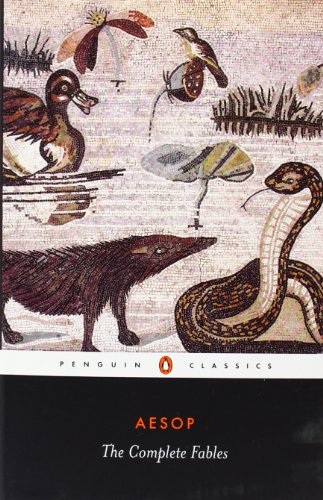
The Complete Fables by Aesop

The Complete Fables

Aesop
262 pages
Penguin Books
Mar 1998
All Non-Fiction WSBN
3
Readers
1
Reviews
0
Discussions
0
Quotes
<b>'Many people are not in the least disturbed at the harm that befalls them, provided they can see their enemies' downfall first'</b><p> </p><p>In a series of pithy, amusing vignettes, Aesop created a vivid cast of characters to demonstrate different aspects of human nature. Here we see a wily fox outwitted by a quick-thinking cicada, a tortoise triumphing over a self-confident hare and a fable-teller named Aesop silencing those who mock him. Each jewel-like fable provides a warning about the consequences of wrong-doing, as well as offering a glimpse into the everyday lives of Ancient Greeks.</p><p>This definitive edition is the first translation into English of the entire corpus of 358 unbowdlerized fables. It is fully annotated, with an introduction that rescues the fables from a tradition of moralistic interpretation.<br><br>For more than seventy years, Penguin has been the leading publisher of classic literature in the English-speaking world. With more than 1,700 titles, Penguin Classics represents a global bookshelf of the best works throughout history and across genres and disciplines. Readers trust the series to provide authoritative texts enhanced by introductions and notes by distinguished scholars and contemporary authors, as well as up-to-date translations by award-winning translators.<br></p>
Join the conversation

No discussions yet. Join BookLovers to start a discussion about this book!

A good book overall, but some things to be considered in order to fully enjoy this book

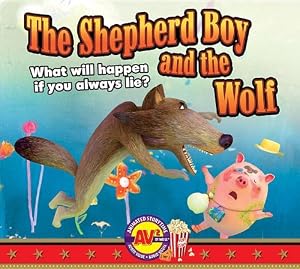
This version of Aesop's Fables is a good book to read. Lots of valuable information on life and how to apply the lessons from the morals stated in the book, after each story. I am happy to know that each fable was numbered, but no index is in this book. I was able to follow along with the writing style of the book. I was also looking to match up the title of one fable, "The Runaway Slave", but the title was changed to "The Jackdaw Who Escaped". This one is fable 164. The story is the same with the wording changed to remove references to slavery and escaping. I don't condone slavery or anything of the like, but the reason I brought this up is because things change as the moods of the times change, hence the re-wording of fable 164. I also noticed that some fables go by different names in this book, although we may know it by a certain name. What we call "The Boy Who Cried Wolf" is titled the "The Joking Shepherd" in this book. The other well known fables have the same title by which most people know them as. I did enjoy reading the "The Hen That Laid The Golden Eggs" though it's more known as "The Goose That Laid The Golden Eggs". I have to mention the footnote written in fable 4 requires a little warning into how the author of the book wrote the commentary on comparing gods to Catholic saints, because it is an inaccurate statement. In no way can it be compared praying for the help of a saint, as to praying to a god for a certain cause and then to compare them to each other for which one is the greater one. There's no comparison from opposing gods invented for different reasons, to that of Catholic saints who all worship the same God, and who's overall mission is that of following the Lord Jesus Christ. This is where the confusion must stop in order to overcome this misapplication of religious disparity. The disparity of the gods should be more taken as the differences between two opposing figures who's cause is for different reasons and can't come to an agreement...

No quotes shared yet. Join BookLovers to share your favorite quotes!

Earn Points
Your voice matters. Every comment, review, and quote earns you reward points redeemable for Bitcoin.
Comment +5 pts Review +20 pts Quote +7 pts Upvote +1 pt
BookMatch Quiz
Find books similar to this one
About this book
Pages 262
Publisher Penguin Books
Published 1998
Readers 3